January 26th, 2026
Everyone has the right to wear clean clothes.
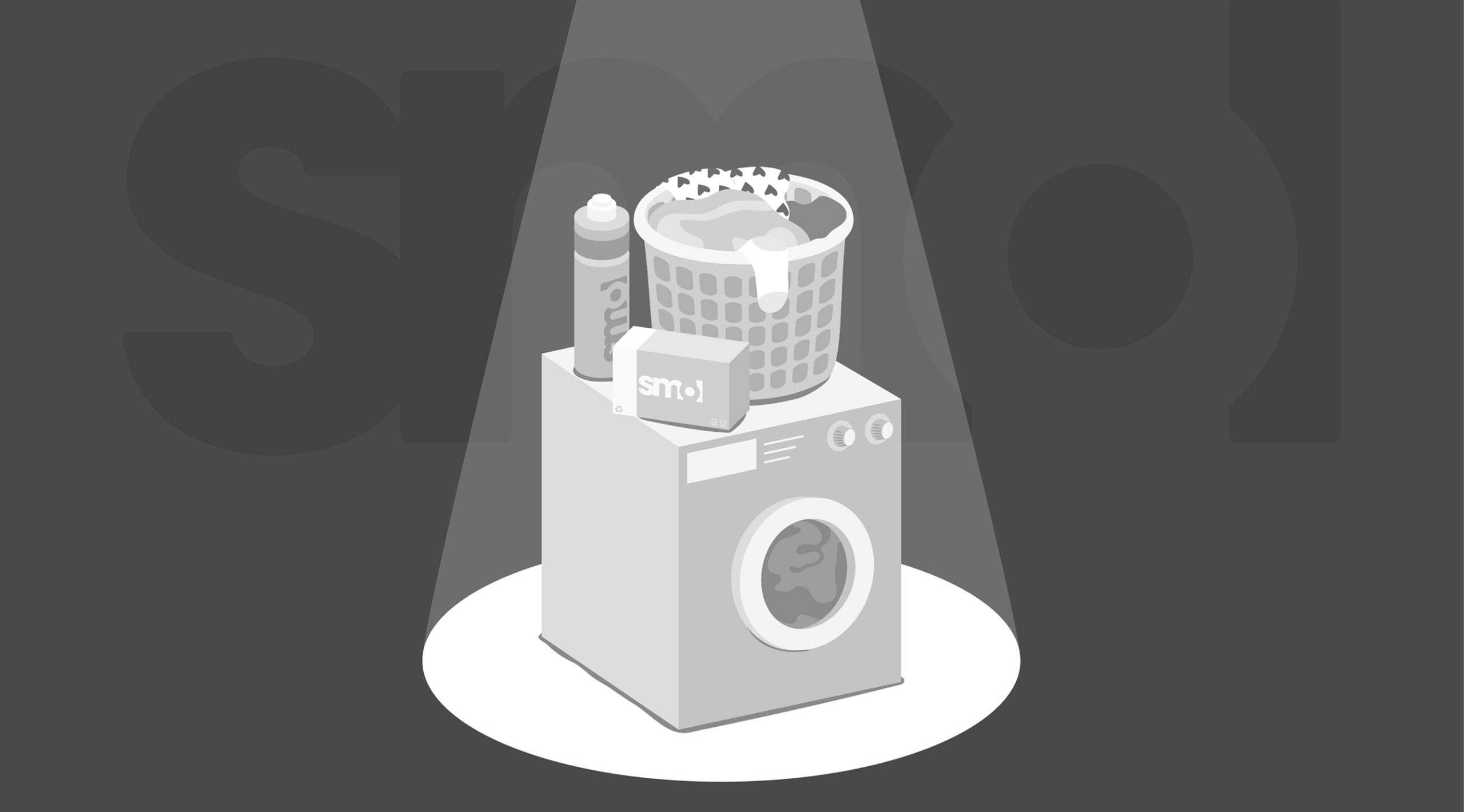
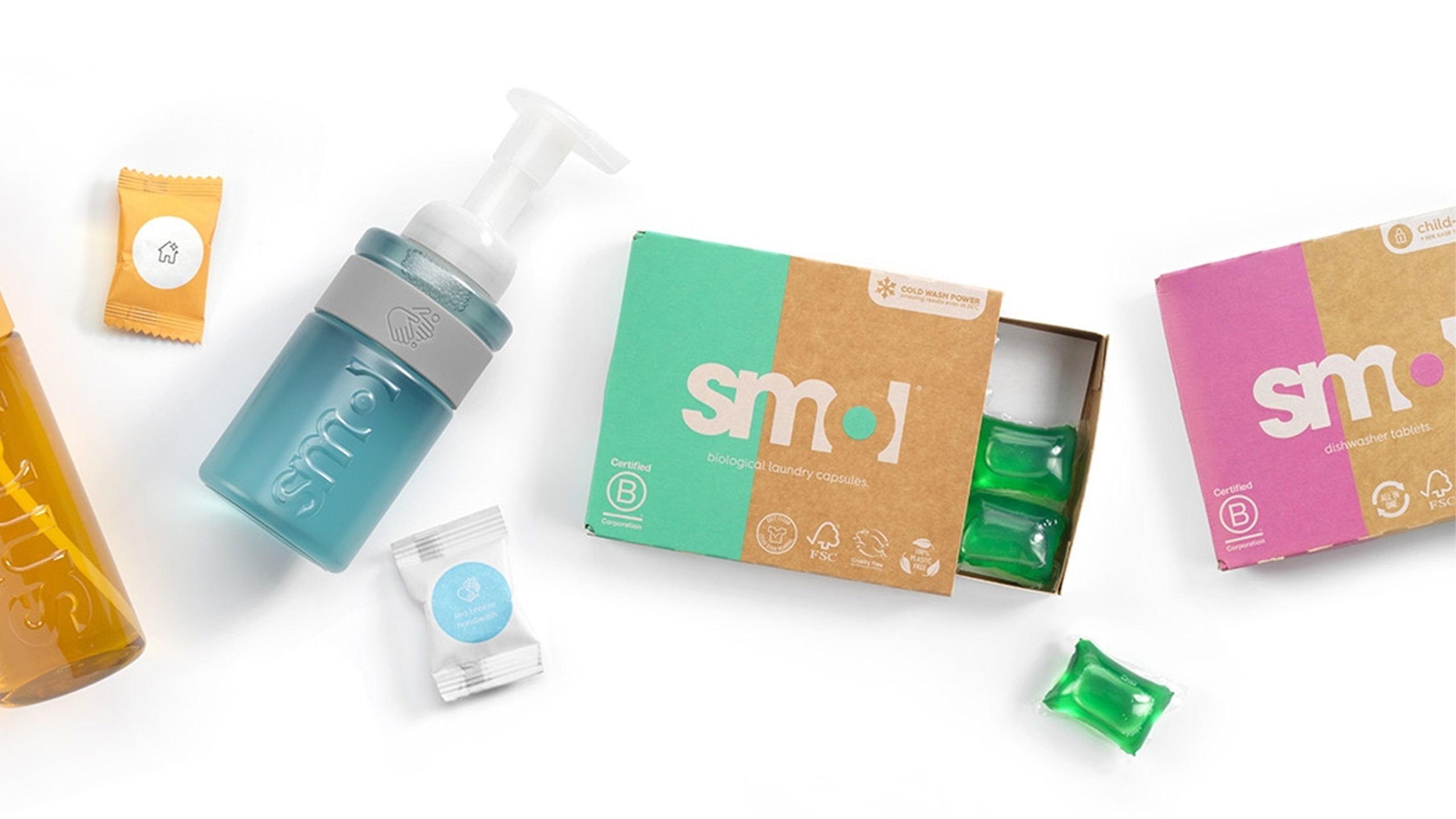
Purpose-led cleaning and laundry brand smol is doing valuable work in combating hygiene poverty, which affects 4.2 million people in the UK. You’ve likely seen smol’s products in kitchens and bathrooms across the UK. Their direct-to-consumer sustainable swaps include liquid laundry pods, multi-purpose spray tablets and stain gels.
Challenger brand smol is constantly driving positive change for people and the planet. Their products are made from ingredients that are kinder to the environment while reducing carbon and plastic waste as much as possible. They even created the world’s first child-impeding cardboard pack of laundry pods. In 2023, smol became a B Corp.
However, it’s the work smol does to make clean clothes accessible to all – supporting some of the most vulnerable people in our society, and raising awareness of hygiene poverty – that truly sets them apart as a responsible brand.
There is a stigma attached to not having clean clothes – and lots of people don’t like to talk about it.
What is hygiene poverty?
Hygiene poverty involves being unable to afford essential personal care and period products, but also barriers to washing clothes. Lots of us take something as simple as clean clothes for granted. However, people experiencing hygiene poverty might not have easy access to a washing machine, hot water, or laundry detergent.
Therefore, people face discrimination at work and skip job interviews because they’re worried about not looking neat or professional enough, or smelling unclean. This in turn, reduces their chances of achieving or staying in gainful employment. Around 1 in 6 people experiencing hygiene poverty reported negative effects on their working life.
The pressing issue led Lizzy Hall MBE to set up The Hygiene Bank in 2018. The Hygiene Bank states that 69% of adults experiencing hygiene poverty have to choose between paying for food and bills or toiletries. While 92% said it limits their social interactions. smol became one of The Hygiene Bank’s early partners in 2020.
Delivering change through Donate a Wash
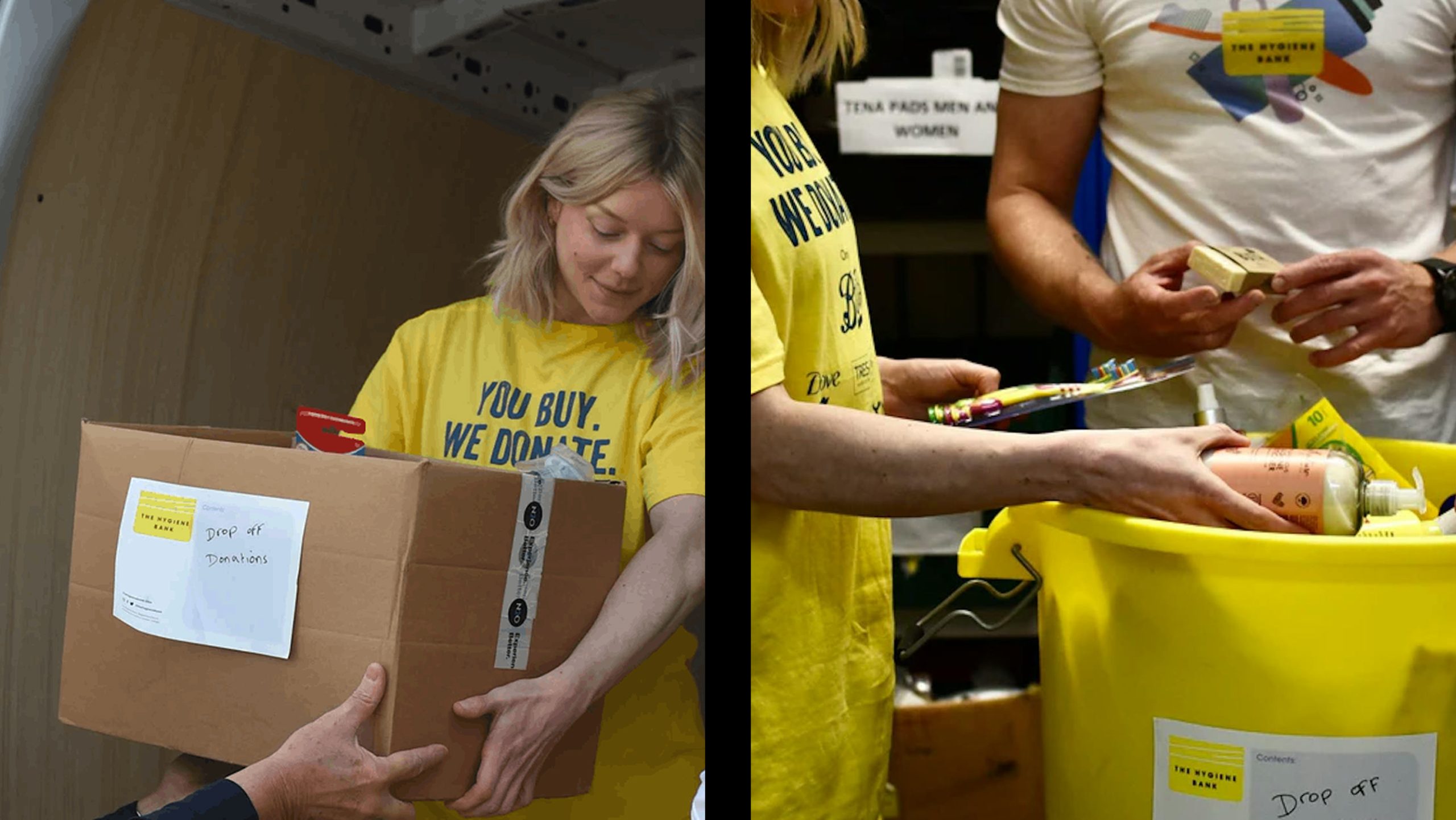
Smol operates the Donate a Wash scheme. Here, customers can add 30p to their smol laundry pod or dishwasher tablet subscription plan. This automatically donates two washes directly to The Hygiene Bank. Additionally, when a consumer signs up to receive a free trial of laundry pods or dishwasher tablets, smol donates a wash.
Much-needed personal care products are distributed at food banks, but many only have supplies of laundry detergent. One of the most-requested items – on an ad hoc basis. Therefore, through Donate a Wash, smol products are automatically sent to community centres, schools, and volunteer groups to help those in need.
How Suds in Schools is helping vulnerable families break the cycle
Families experiencing hygiene poverty struggle to wash their children’s school uniforms at home. smol and The Hygiene Bank’s 2024 research found that 95% of school staff have been aware of pupils experiencing hygiene poverty in the last year, with just over 1 in 6 aware of the issue every day.
When children’s uniforms are dirty and soiled, this often results in teasing or bullying, and negatively impacts school attendance. Therefore, teachers and school staff take time out of their day to do laundry themselves. This is because they want to help the children they care for and remove barriers to learning.
Gemma Humphreys, Hygiene Poverty Projects Manager at smol, tells Responsible Brands how the experience “opened our eyes to how much hygiene poverty affects families and children in particular. It became clear just how much schools are doing to support pupils in this regard.”
“During this time, The Hygiene Bank also introduced us to Sarah, a school leader witnessing the impact of hygiene poverty first-hand in her own school. It sparked a simple but powerful idea: what if schools had direct access to laundry facilities for families who really needed them? Our early learning was very much shaped through collaboration with The Hygiene Bank, but Suds in Schools is now a smol-led initiative.”
Making clean clothes accessible to all
Following a successful Crowdfunder campaign, Sarah’s school in Blackpool became the very first Suds in Schools mini launderette. Now, there are 100 and counting. Through the scheme, washing machines and free smol laundry detergent are provided to schools in the most deprived areas in the UK. Meanwhile, smol customers can nominate a school that would benefit from the programme and keep the momentum going.
Suds in Schools is funded primarily through Crowdfunder donations and campaign work. Such as Marked Absent and topped up by smol itself.
To encourage families to use the washing machines, some schools hold coffee mornings to help families overcome any embarrassment they feel about using these resources. Therefore, parents and guardians also get a chance to connect with each other while doing their laundry.

smol is not just establishing the resources – it’s removing the stigma
As a responsible brand, they’re campaigning for structural change. They want the UK Government to include hygiene poverty in the Child Poverty Strategy. In 2024, smol and The Hygiene Bank, supported by the teachers’ union NASUWT. They installed a washing line outside Westminster with 40 items of clothing on it.
This number represented £40 million. The amount of their own money and personal resources that school staff in the UK had spent to keep children in their classrooms.
It’s hard to feel like one person can make a difference, but it can. Lots of people working together to make ‘smol’ changes together can deliver big impact. Through their work, smol identified an issue that’s meaningful to their customers. Using their influence to create transformative change for some of the most vulnerable people in the UK.
Written by Misha Zala.
Illustrated by Jessica Marwood.
DISCLAIMER: We endeavour to always credit the correct original source of every image, however if you think a credit may be incorrect, please contact us at rb@hatchedlondon.com.


