
October 24th, 2025
Plastic packaging is one of the largest contributors to the global waste crisis. According to ‘Our World in Data’, about 40% of the world’s plastic waste comes from packaging, with regional contributions around 37% in the US, 38% in Europe and 45% in China. Plastic production as a whole has skyrocketed over the past 70 years and the packaging industry has been one of the main drivers. In 2020, 547 million tonnes of plastic were produced and nearly a third of this was used for packaging.
The environmental consequences extend well beyond landfills. Companies produce plastics almost entirely from fossil fuels and this system emits immense amounts of greenhouse gases. Without major intervention, plastic production and disposal could increase emissions by 37% by 2050, according to The Guardian. At the same time, mismanaged plastic waste, the kind that polluters allow to flow into rivers, oceans and landscapes, could double to 121 million tonnes by 2050 if current trends continue. Plastics do not biodegrade, instead, they fragment into microplastics that contaminate soils and waterways and even enter human food chains.

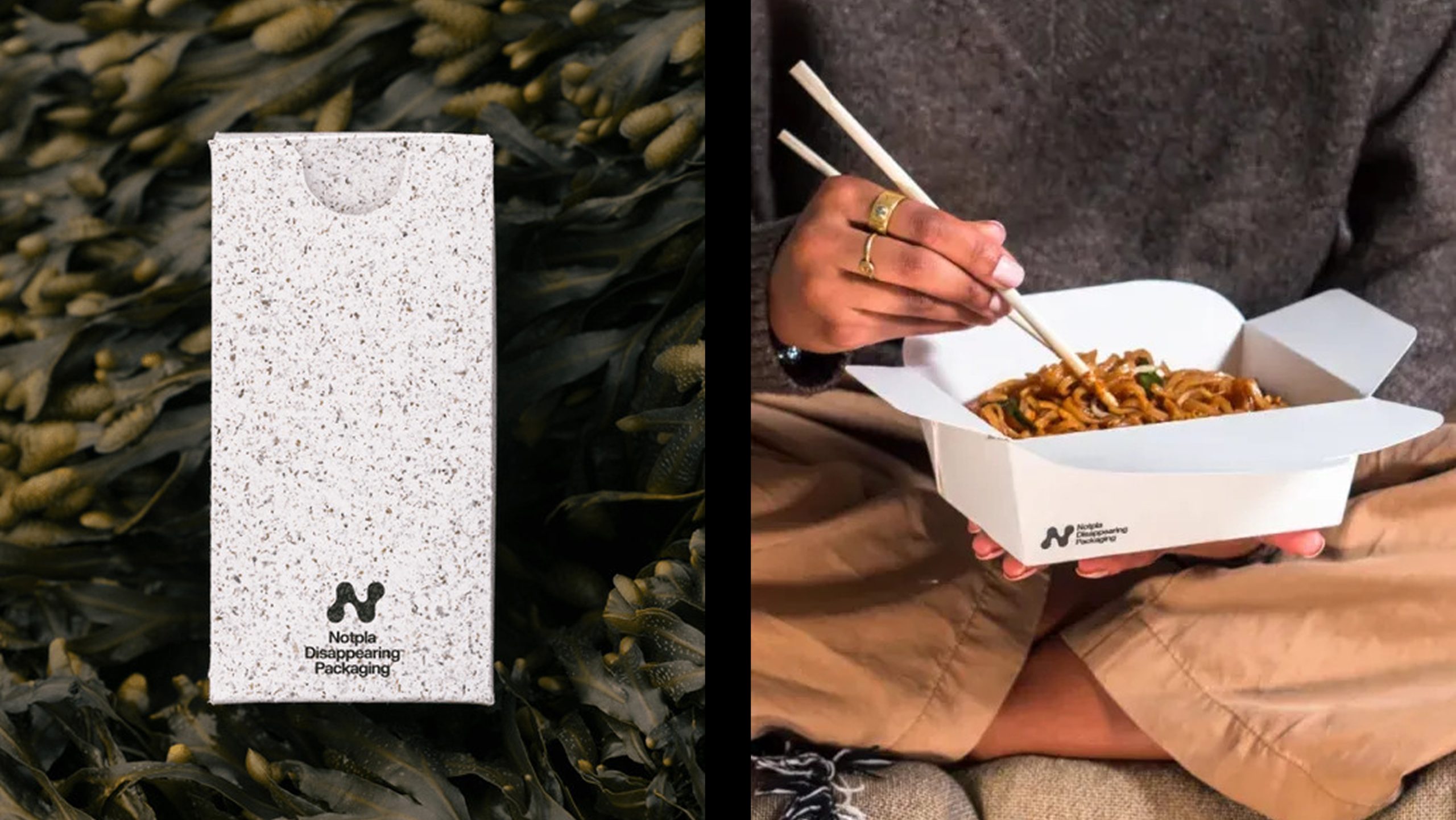
Certified B Corp, Notpla (short for “not plastic,”) is a London-based company founded in 2014. Created by entrepreneurs Pierre Paslier and Rodrigo García González. Their mission is to replace single-use plastics with packaging made from seaweed and other plant-based materials. These materials naturally biodegrade, compost, or can even be eaten. The idea first gained attention with Ooho, an edible water capsule designed for events and marathons. Since then, the company has expanded its range of products. Including takeaway boxes with seaweed-based coatings, sachets for condiments and liquids and even Notpla Paper. Which is a material that incorporates around 30% seaweed by-product to reduce reliance on tree pulp.
Today, Notpla’s products are designed to avoid many of the pitfalls of conventional plastics. They break down within weeks rather than persisting for centuries, they are free from harmful additives like PFAS “forever chemicals”. Also using renewable feedstocks that do not require farmland, freshwater, or fertiliser. Seaweed in particular is a resource with huge potential, it grows rapidly, absorbs carbon and can help restore marine ecosystems. By mid-2025, Notpla had already replaced more than 21 million single-use plastic items across Europe, with an ambitious goal of eliminating 1 billion plastic items by 2030.
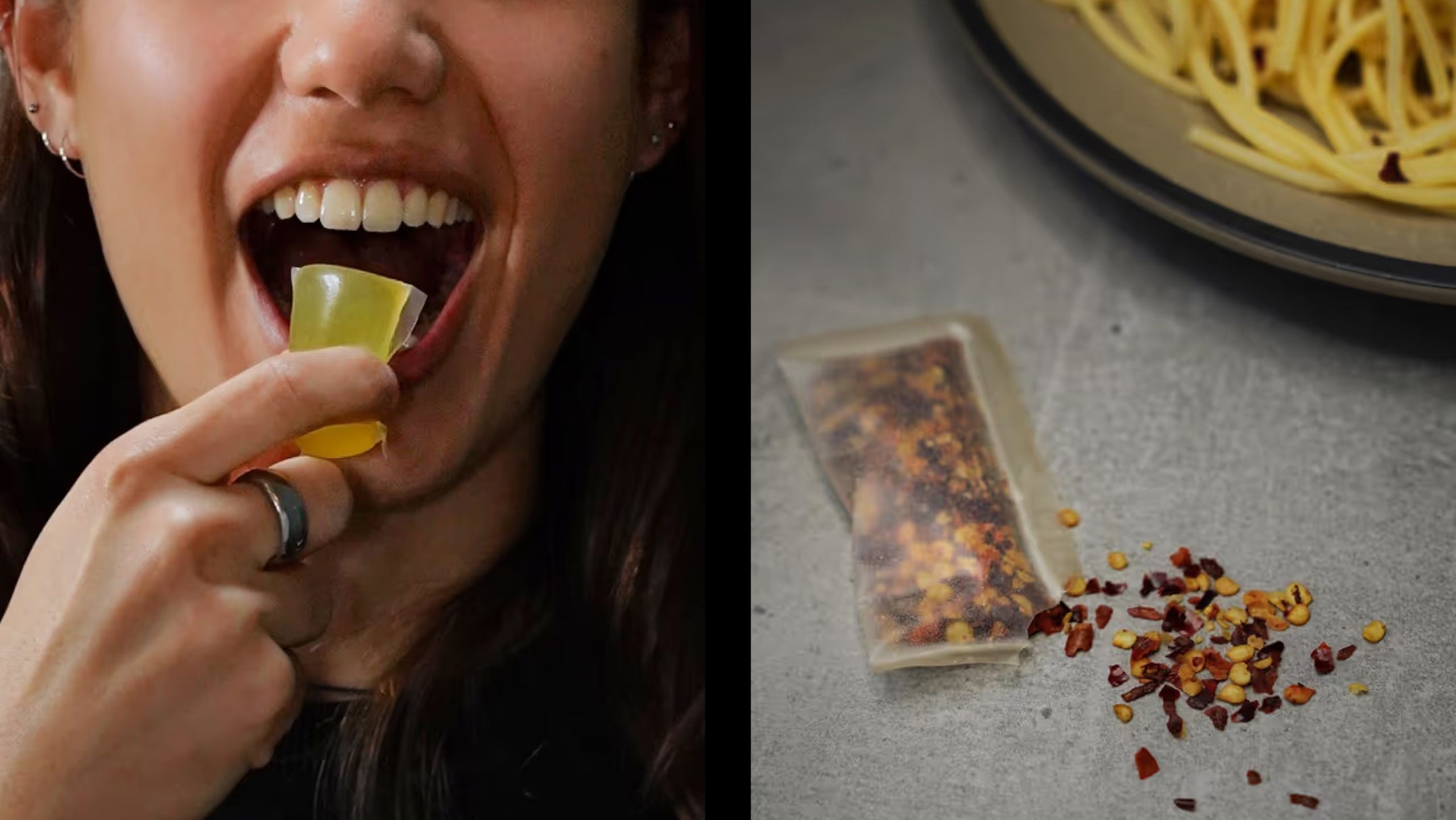
Replacing conventional plastic packaging with alternatives like Notpla’s can have measurable environmental benefits. For example, trials in Welsh stadiums showed that switching to Notpla packaging could prevent 1.4 tonnes of plastic waste per year. Also reducing 14.2 tonnes of CO₂ emissions annually. In other product trials, replacing plastic sachets with Notpla versions resulted in a 68% reduction in CO₂ emissions and a 100% elimination of plastic for those items. These are relatively small-scale interventions, but they demonstrate the potential for meaningful reductions when applied more widely.
The promise of seaweed-based packaging also lies in its compatibility with existing waste systems. Many bioplastics, which often require industrial composting facilities to break down properly. Whereas Notpla products are designed to biodegrade in natural environments or to be composted at home. They also avoid contaminating paper recycling streams, a common problem with takeaway boxes coated in synthetic grease-resistant layers. Importantly, Notpla’s products comply with regulations such as the EU’s Single-Use Plastics Directive, which bans or restricts certain plastic coatings and materials.
Of course, there are systemic challenges to scaling these solutions. Producing packaging at the scale of global demand requires significant expansion of seaweed harvesting and processing infrastructure. As well as investment in new manufacturing equipment. The cost of sustainable packaging can also be higher than plastic alternatives. Making it harder for businesses to adopt without regulatory pressure or consumer willingness to pay more. Waste infrastructure is another weak point in the industry standards, as composting and recycling systems vary widely. Even biodegradable packaging can end up incinerated or landfilled if systems aren’t in place to handle it properly.
Despite these hurdles, Notpla represents an important shift in the way we think about packaging. The recycling system struggles to keep up with rising volumes of waste. Therefore the company advocates for a broader rethinking of materials and end-of-life pathways. By designing packaging that is compostable, edible and made from abundant natural resources, Notpla reduces reliance on fossil fuels and helps address both the plastic pollution crisis and climate change.
In conclusion, the global packaging problem is immense, with almost half of the world’s plastic waste stemming from it. Fighting this crisis, Notpla offers an inspiring and practical example of how innovation can help. By replacing plastic with seaweed-based materials, the company has already prevented millions of items from becoming waste and its work suggests that a future with less reliance on harmful plastics is within reach.
Created by Jessica Marwood.
DISCLAIMER: We endeavour to always credit the correct original source of every image, however if you think a credit may be incorrect, please contact us at rb@hatchedlondon.com.


