
December 3rd, 2025
What if the cereal aisle told the truth?
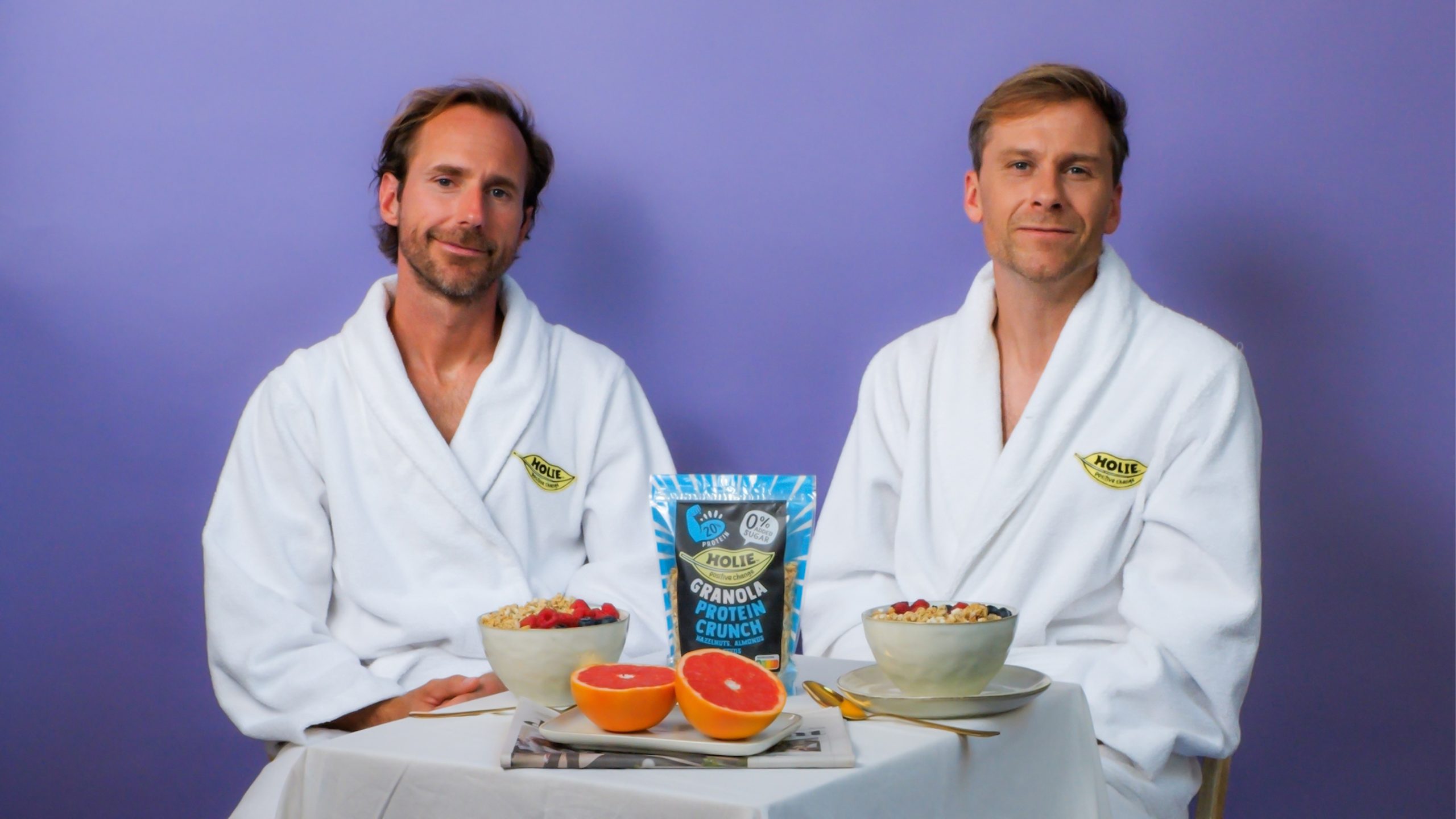
Back in 2018, two friends in Amsterdam, Merick Schoute and Valentijn van Santvoort, found themselves staring at boxes that promised health but delivered something else entirely. What they found was sugar masked as “natural energy,” claims that looked comforting until you read the small print.
So they asked the question many of us had been avoiding and then they built a company around the answer.
Where the story begins
Holie’s didn’t start with a business plan. It started with frustration. An honest, everyday frustration with how hard it is to eat well when packaging whispers one thing and delivers another.
From a small kitchen in the Netherlands, Merick and Valentijn began mixing cereals that stripped away the noise: no added sugars, no sweeteners, no empty claims. Just granolas and mueslis that were high in protein and fibre and grounded in the belief that breakfast shouldn’t trick you.
They weren’t chasing perfection. They were chasing honesty.
“Big cereal brands are hiding sugar in our food,” they would later write. “They claim to be healthy but they’re actually not.”
Holie’s was born from that line in the sand.
A mission that grew beyond the bowl
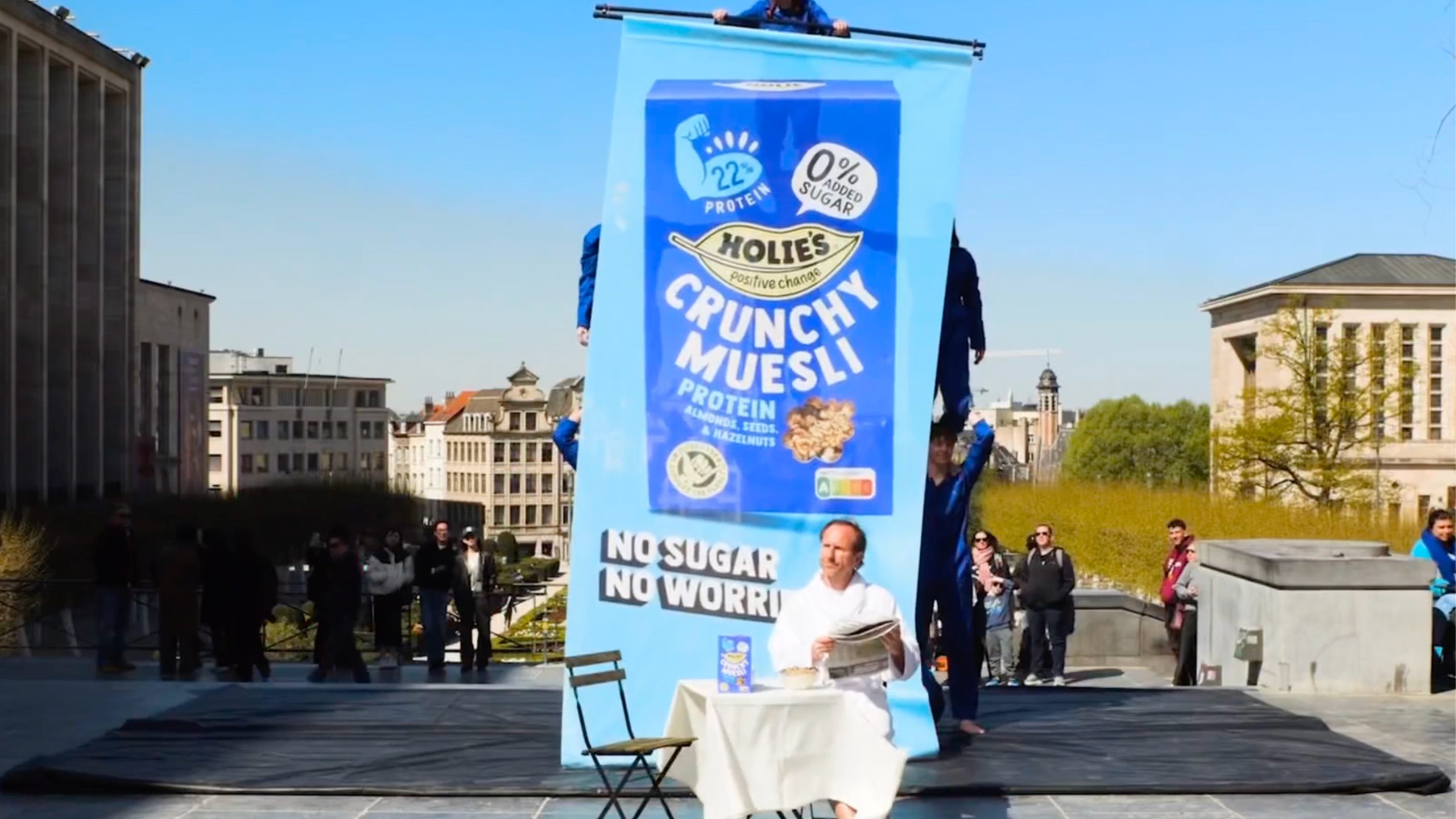
What started as a quiet rebellion soon became a community of people hungry for change; parents, athletes, students, anyone tired of decoding labels before their first cup of coffee.
Holie’s leaned into that momentum. They didn’t just make cereals. They made comparisons. Real ones and clear ones.
They introduced the ‘Sugar Score’: a simple A-C ranking based purely on how much sugar a product contains. No fine print. No hidden framing. Just a straight read-out that helps people make choices they can trust.
It was bold. It was direct and for some, it was uncomfortable.
When the truth gets challenged
Last year, Holie’s found itself in court. Lotus Bakeries, owner of Nakd and Trek, argued that Holie’s Sugar Score campaign broke marketing rules. The score, they said, didn’t distinguish between natural and added sugars. It didn’t reflect other nutritional values, they referred to it as misleading.
A judge looked at both sides and sided fully with Holie. For Merick, the victory wasn’t about winning a fight; it was about what it meant for people navigating the shelves each day.
“This is a victory for the consumer,” he said afterward. “Our goal is clear: honest information on packaging so people can truly make informed choices.”

Growth that mirrors belief
While the lawsuit made headlines, the real story sits in grocery baskets and breakfast tables in the way shoppers respond when a brand treats them as capable and deserving of clarity.
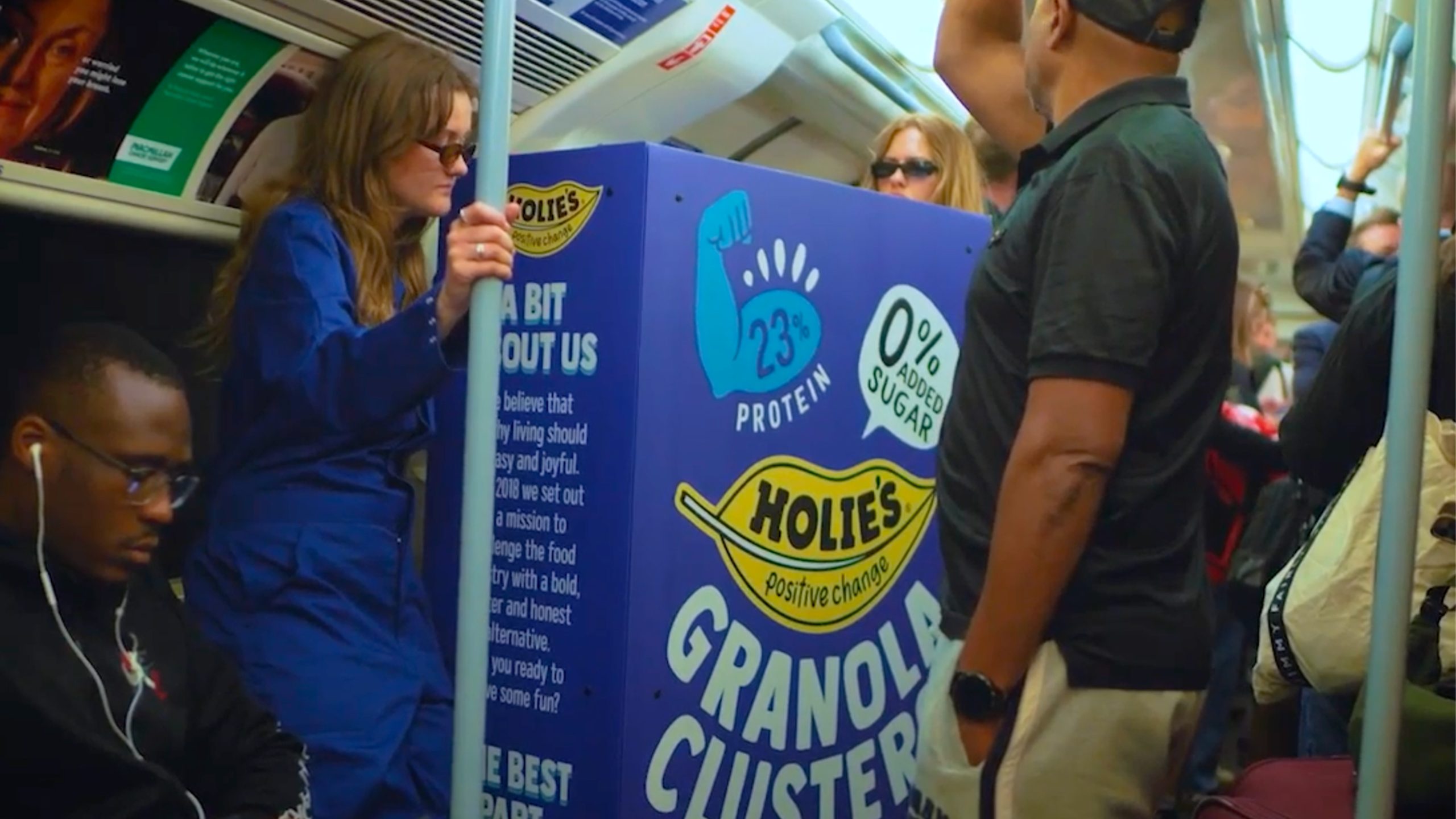
Holie’s leap into the UK is a sign of that shift. They entered quietly through Ocado, testing whether the appetite for honest cereals travelled beyond the Netherlands. It did.
Strong traction and repeat buys, households were coming back for more. This was more than enough to give Holie’s the confidence to “go all in” across both major retailers and the independent stores that shape neighbourhood food culture.
It’s not just expansion, it’s proof that transparency can be commercially strong and morally grounded at the same time.
The bigger question Holie’s leaves us with
Breakfast isn’t the point. Not really. The point is whether brands are willing to speak plainly, whether they see people as partners, not targets and whether health claims match the experience inside the packet.
Holie’s doesn’t pretend to have all the answers. They’re still learning, still refining, still pushing for better; their journey shows what happens when a company chooses courage over convenience.
And it invites a quiet reflection: If two founders in Amsterdam can reshape a corner of the grocery store by telling the truth, what might the rest of the industry do if it chose to follow?
Holie’s is betting on a future where honesty remains the minimum. And that bet is beginning to pay off.
Created by Jessica Marwood.
DISCLAIMER: We endeavour to always credit the correct original source of every image, however if you think a credit may be incorrect, please contact us at rb@hatchedlondon.com.


